
Heat and glare
Compare solar heat reduction, visible light transmission and reflectivity. A darker film is not automatically the best-performing choice.
Explore heat-control window tinting →Window film resources
Explore residential buying guides and commercial project planning for comfort, privacy, glass safety, cost, compatibility and installation.
Start with the problem
There is no single film that is best for every residential window. A hot west-facing living room, a street-facing bedroom and a bathroom window each need a different balance of visible light, privacy, appearance and performance.
Compare solar heat reduction, visible light transmission and reflectivity. A darker film is not automatically the best-performing choice.
Explore heat-control window tinting →
Decide whether privacy is needed only during the day or at all hours. Reflective film and frosted film behave differently after dark.
Explore privacy window tinting →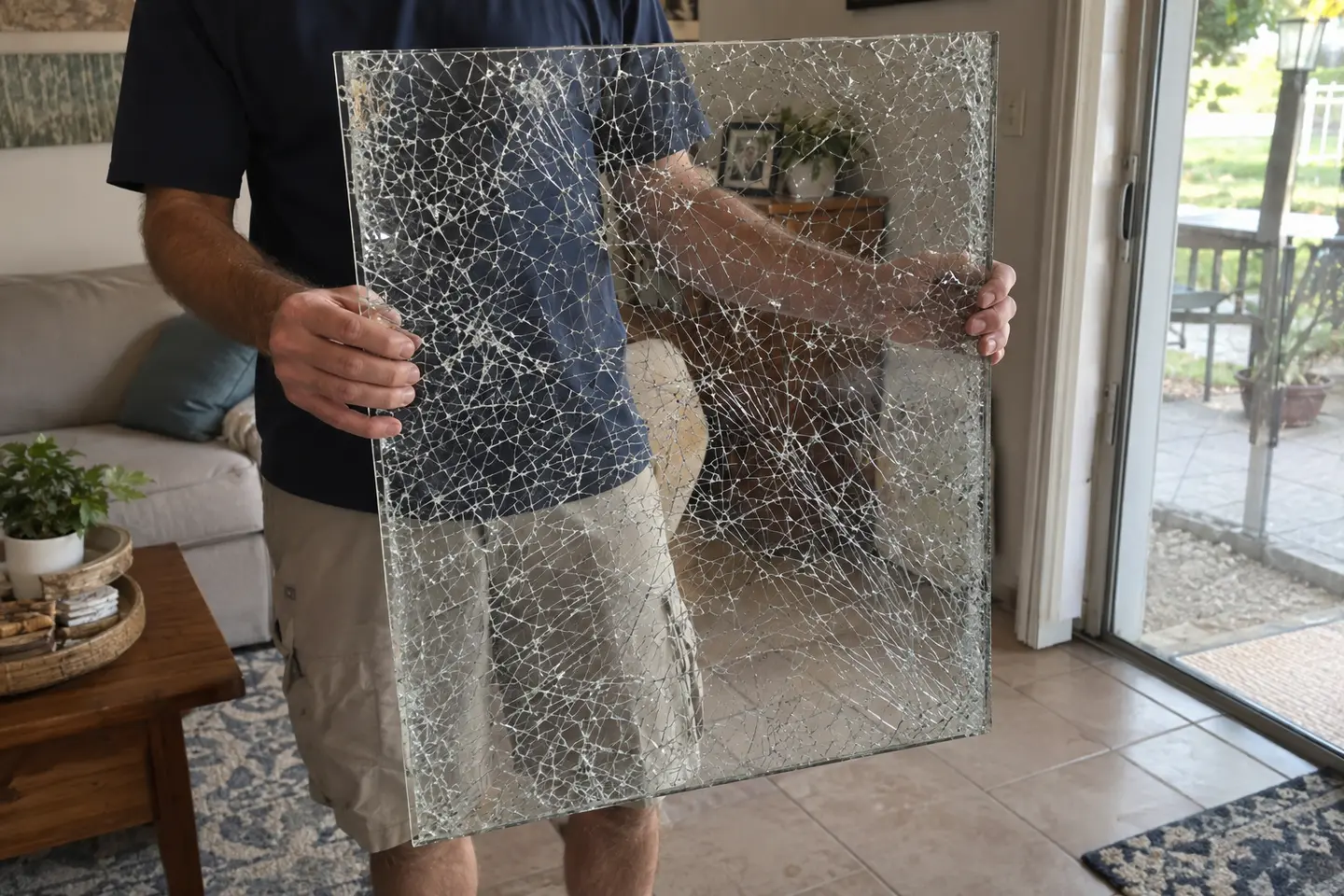
Consider the complete glazing system: glass, film, frame and attachment. Film alone is not burglar-proof or approved hurricane protection.
Explore safety window film →Images are representative product applications, not customer-project claims. Final appearance varies with the product, glass and lighting.
Buying guides
Compare price, performance, compatibility and privacy options for the windows in your own home.
Learn what affects Orlando home window tinting prices, how to compare quotes, and when a room-by-room project makes sense. Try an estimate.
Read the guide →Yes, suitable film can reduce solar heat entering through treated glass. Learn what it changes, what it cannot fix, and how to compare products.
Read the guide →Compare solar film for Florida rooms by total solar heat, daylight, glare, reflectivity and glass compatibility—not by darkness alone.
Read the guide →Many residential films filter substantial UV, but no film makes furniture fade-proof. Learn how to check product data and protect sunny rooms.
Read the guide →Often yes, but insulated and Low-E glass require film-specific compatibility checks. Learn what to inspect before tinting double-pane windows.
Read the guide →Window film and blinds solve different sun problems. Compare heat control, view, glare, privacy and cost for a Florida room.
Read the guide →Learn how glass thermal stress, coatings, shading and film choice affect breakage risk—and what an installer should check first.
Read the guide →Choose between frosted, decorative and reflective privacy film for a Florida home. See which options work after dark and preserve daylight.
Read the guide →Florida homeowners should check their HOA's appearance rules and approval process before visible film. Learn what to ask and how to document the choice.
Read the guide →Ceramic is one film technology, not a guarantee of the best home heat control. Learn what numbers, appearance and glass checks really matter.
Read the guide →Large sun-facing sliding doors can admit significant solar heat. Learn why the exact amount varies and what film, shade and glass options can do.
Read the guide →Compare heat-control and privacy film for Florida sliding doors. Learn about full-pane coverage, glass checks, glare and nighttime privacy.
Read the guide →Window-film cost
Residential window tinting is typically affected by visible glass area, pane count, film type, access, glass construction and removal of old film. Oversized panes, divided windows, high glass and difficult edges may require more material or labor.
An online estimate is useful for planning, but an onsite inspection confirms measurements, compatibility and the final scope. Try the instant home window tint cost estimator before requesting a written quote.
Glass compatibility
Single-pane, insulated double-pane, tempered, laminated and Low-E glass behave differently. Coatings, edge condition, shading and orientation also affect thermal stress. The glass should be identified and checked against manufacturer guidance before a film is recommended.
Existing window-manufacturer terms and the selected 3M product warranty should be reviewed before installation. Manufacturer coverage varies by product, glass and application.
Appearance and daylight
Film appearance changes with daylight, interior lighting, glass color and what is reflected outside. Nearly clear, neutral, tinted, frosted and reflective options can look very different throughout the day.
A useful consultation compares performance and appearance together so the finished window suits the home from both sides of the glass.
Quick answers
Start with the room you avoid
Get a window-by-window recommendation—not a one-film-fits-all sales pitch.